Private aviation programs sell you cabin classes — light jet, midsize, super-midsize, large. What they don't show you is what those cabins actually look like, how many people comfortably fit, and how far they'll take you. This is that guide.
Think of it like renting a car. The rental company says "compact SUV" — but you want to know if it's a Ford Explorer or a Kia Sportage before you show up. This guide tells you which aircraft is which, who flies it, and what it means for your trip.
Turboprops use propeller engines rather than jets. They're slower and have lower ceilings than jets, but they're significantly cheaper to operate and can access smaller airports with shorter runways — including many destinations jets simply can't reach. For regional travel under 500 miles, a turboprop is often the most practical and cost-effective choice. Don't dismiss them for the right trip.
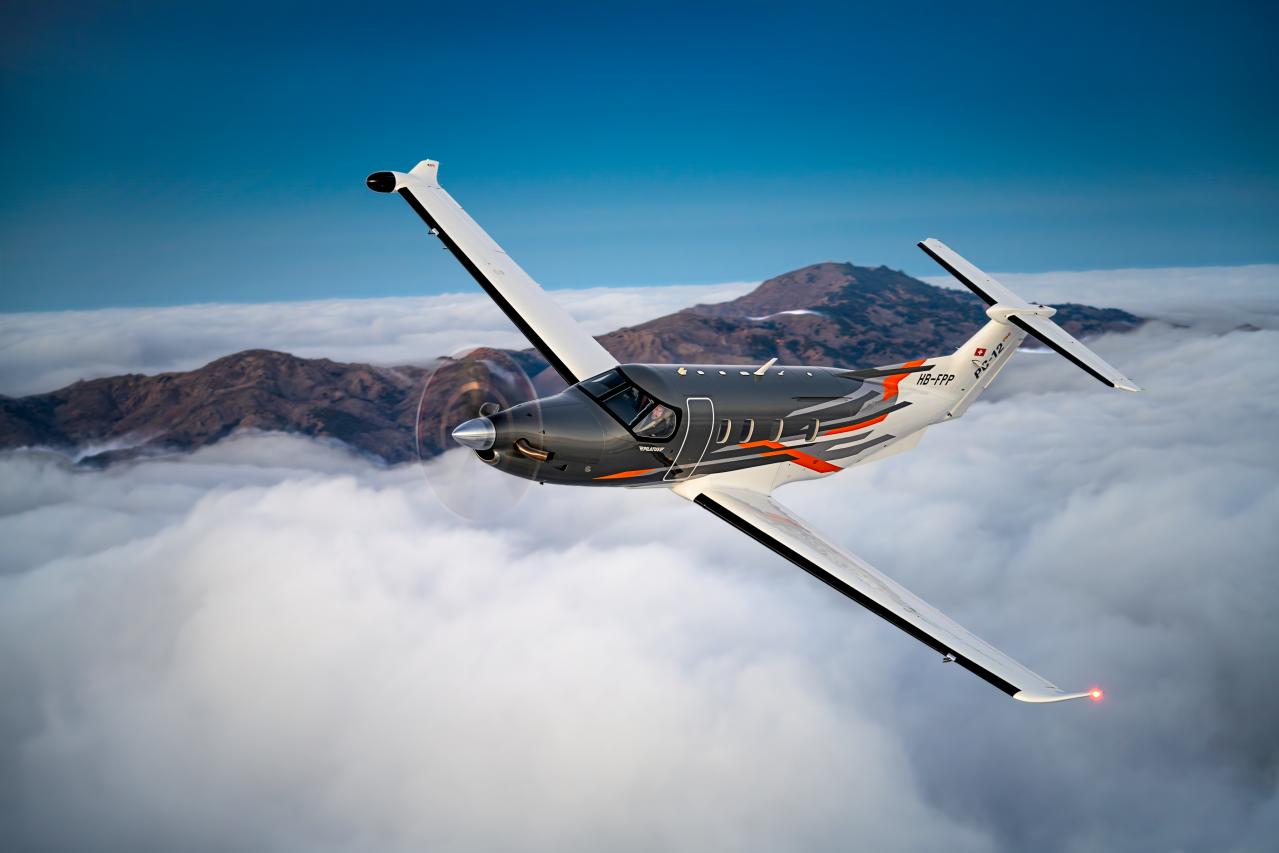
The benchmark turboprop. Single engine, surprisingly spacious for a prop aircraft, and capable of landing on unpaved strips. Popular for island-hopping, ski destinations, and anywhere a jet can't get close to. The cabin is utilitarian rather than luxurious — flat floor, decent legroom, but no walk-around headroom.
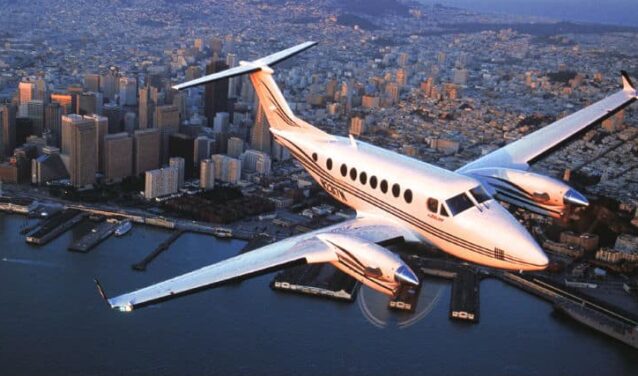
The twin-engine alternative to the PC-12. Two engines means more redundancy and better performance in challenging conditions. The King Air 350 is a workhorse used by charter operators across North America, common in the Wheels Up fleet for shorter domestic routes. Cabin is similar in size and character to the PC-12.
Turboprops cruise at 25,000–30,000 feet versus 41,000–45,000 feet for jets. That means more exposure to weather, more turbulence on some routes, and longer flight times. On a 45-minute hop, none of this matters. On a 3-hour regional flight, it's worth knowing before you book.
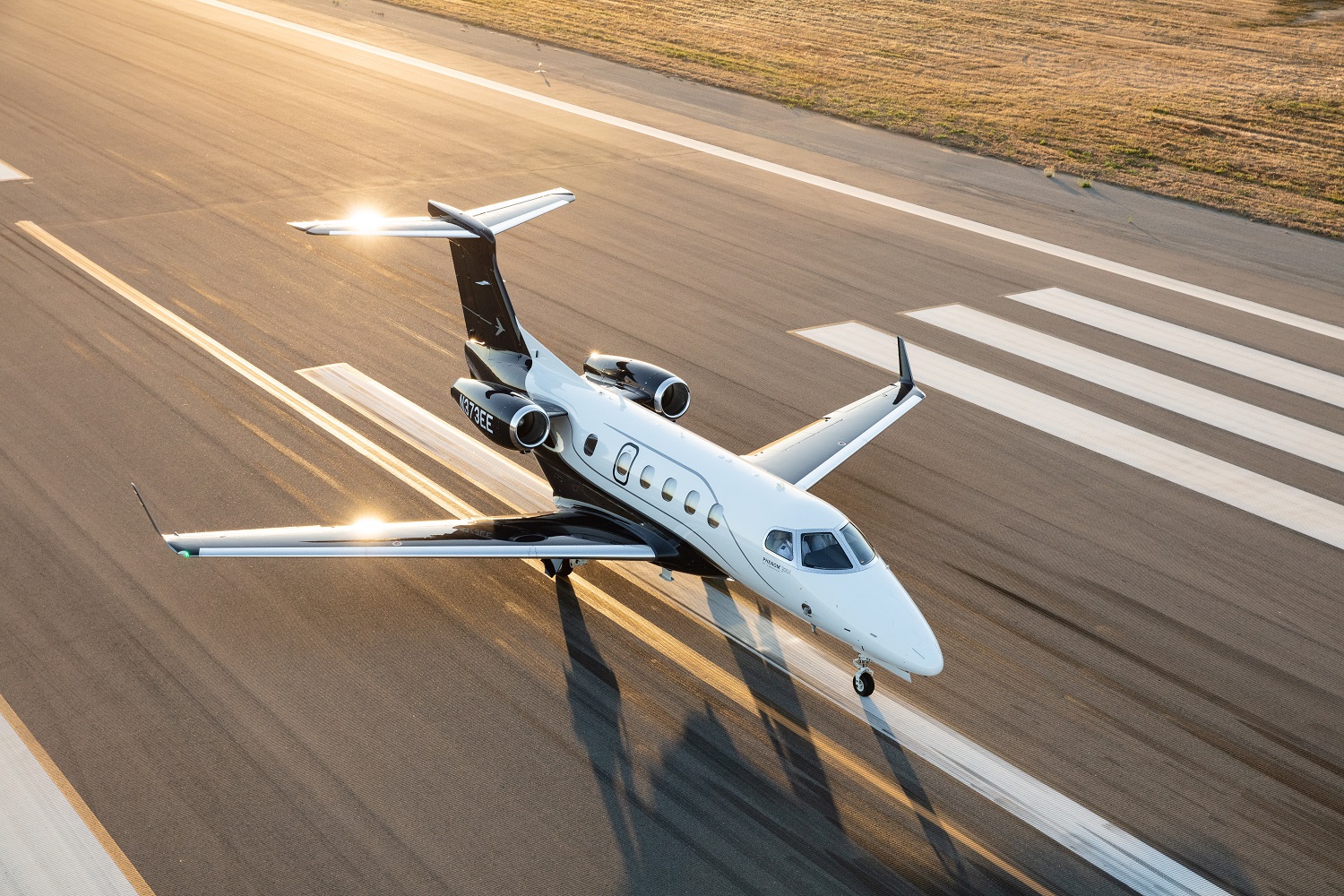
Light jets are the most common entry point for private aviation programs. They seat 4–7 passengers, cruise at 40,000+ feet, and have enough range for most domestic US routes. This is the cabin class most jet card programs are built around. The difference between a good light jet and a basic one is significant — this guide shows you which is which.
The best-selling light jet in the world for multiple consecutive years. The Phenom 300E is the benchmark against which other light jets are measured — the widest cabin in its class, flat floor, best-in-class baggage capacity, and genuinely fast for a light jet. If your program offers the Phenom 300E, this is the one you want.
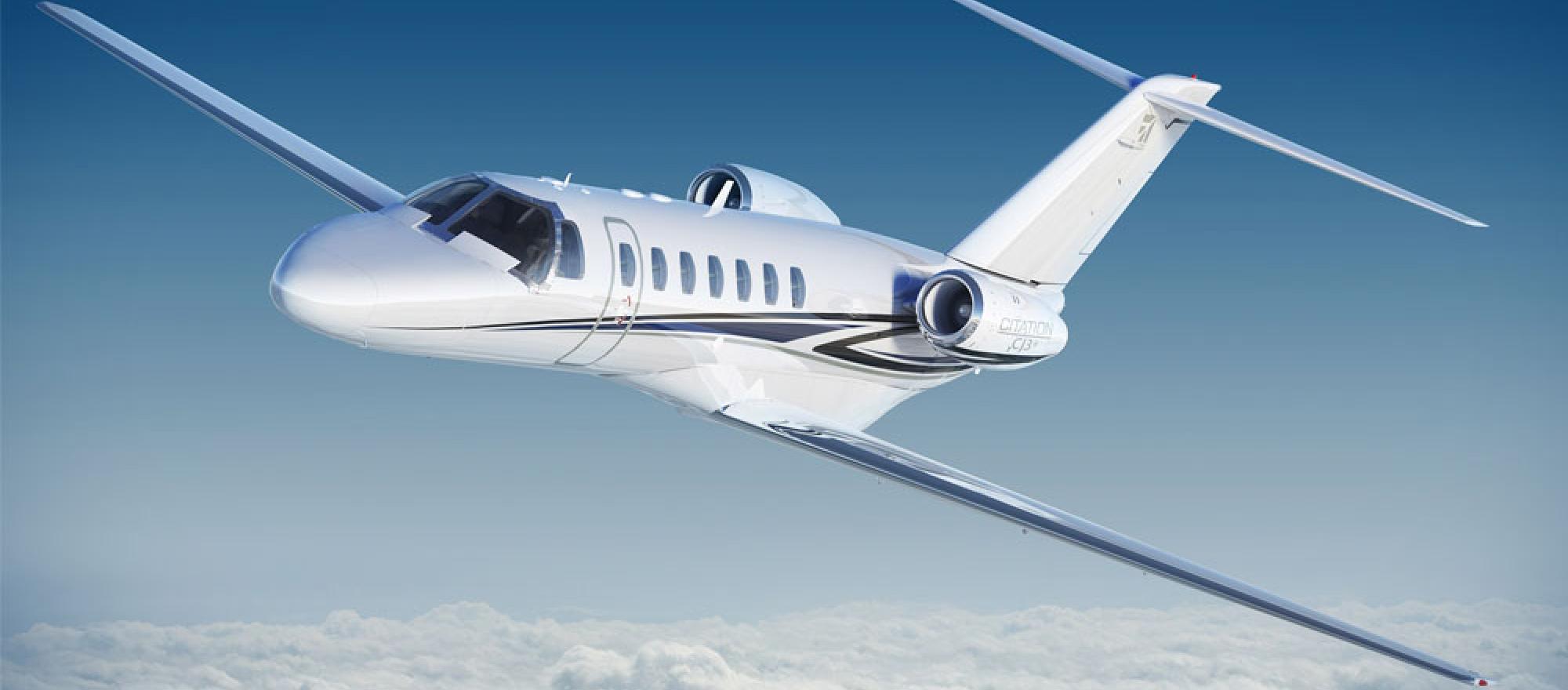
A workhorse light jet popular in charter networks and fractional programs. Slightly narrower than the Phenom 300E but with comparable range and similar passenger capacity. The CJ3+ is reliable and well-understood by operators — you're unlikely to have a bad experience, but you're unlikely to be wowed either.
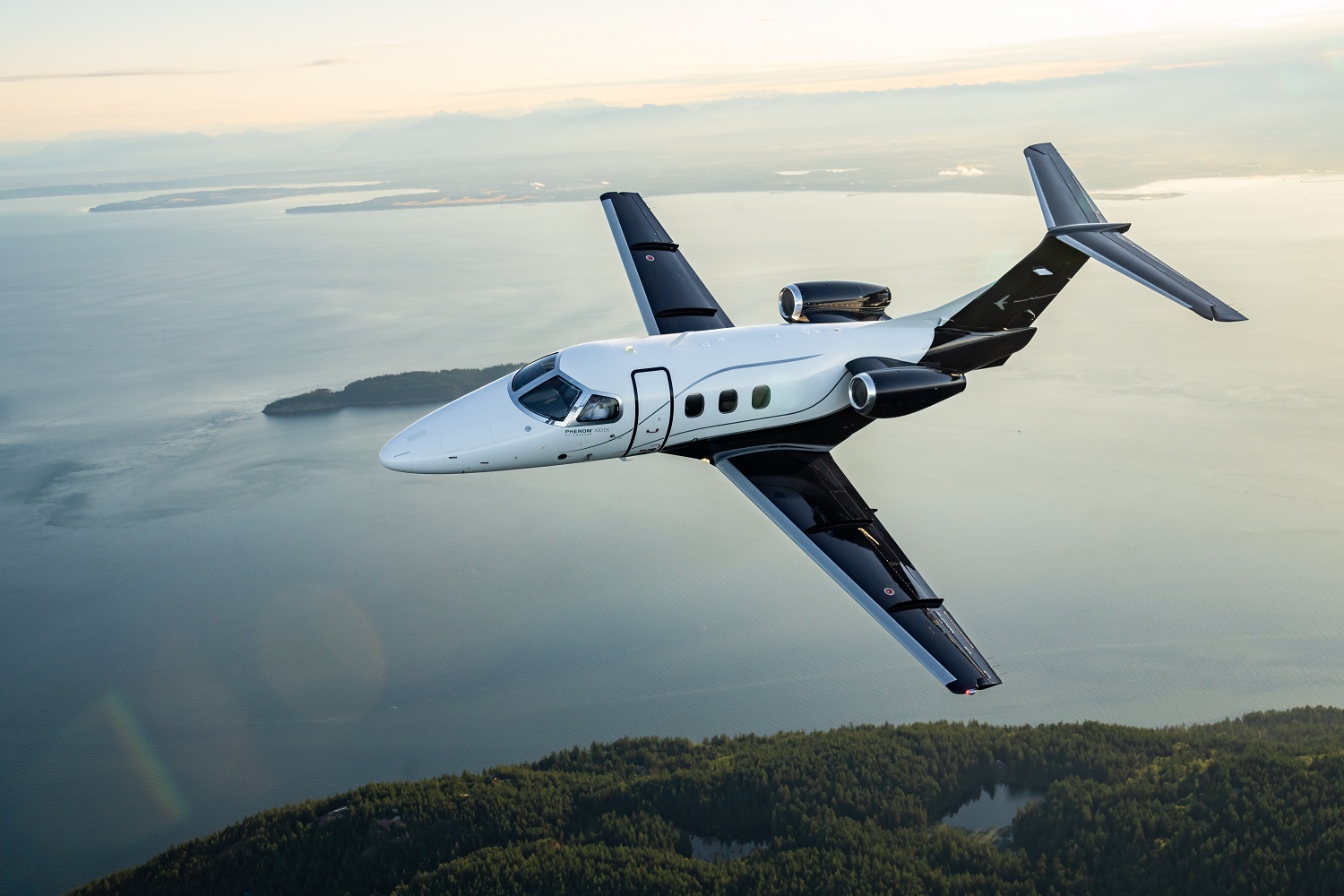
The entry-level Embraer — smaller, shorter range, and lower cost than its 300E sibling. Best suited to 2–3 passengers on short to medium routes. The cabin is noticeably tighter than the 300E. Often used by Nicholas Air and smaller operators as an affordable option for solo or couple travel.
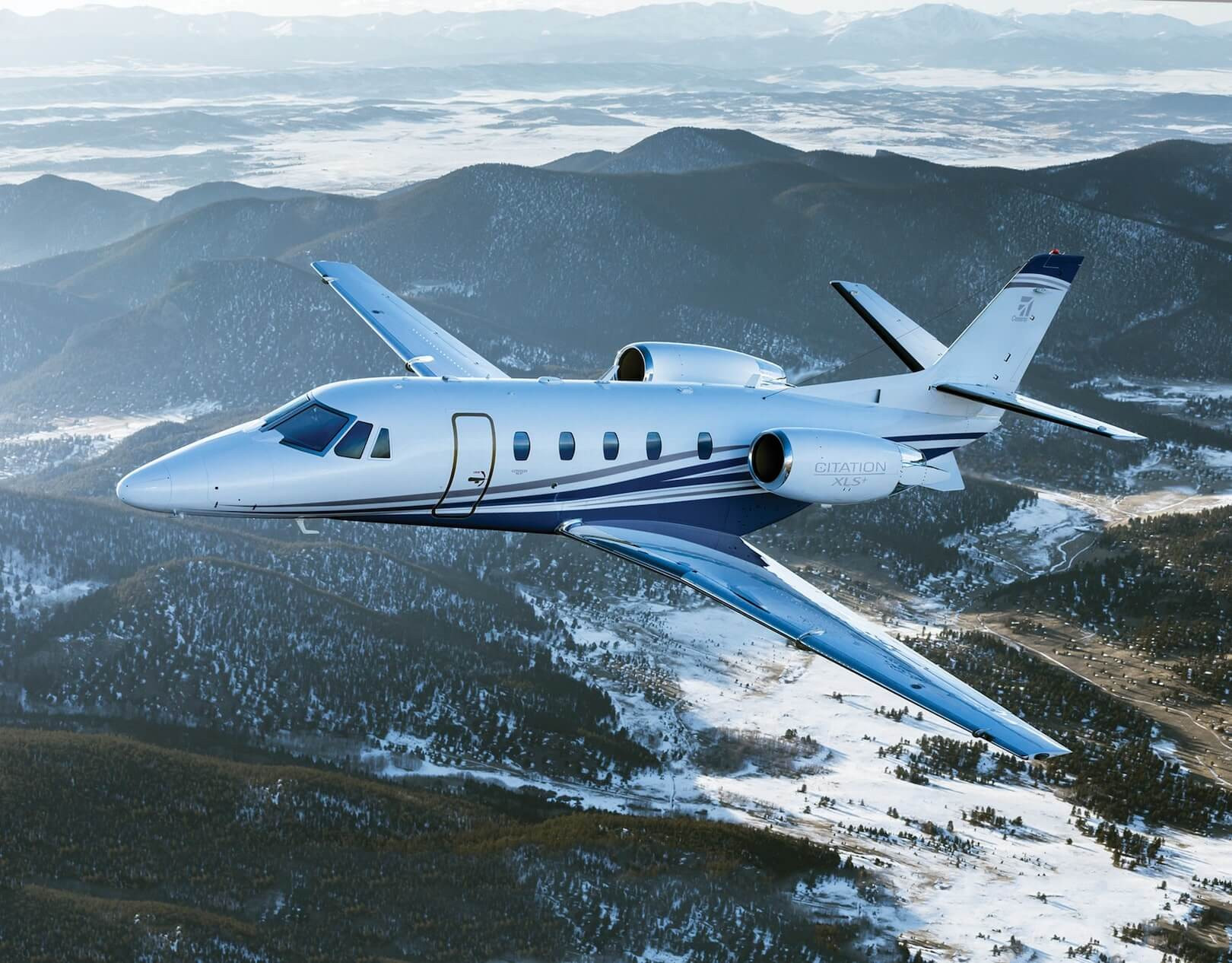
Sits between light and midsize — often classified as a midsize jet but priced closer to a light jet on many programs. The XLS+ has a notably taller cabin than true light jets, making it comfortable to stand and move around. Popular in charter networks for groups of 6–8 on medium routes.
Midsize jets offer the best balance of range, cabin comfort, and cost for most frequent private flyers. You can stand up, move around, and carry meaningful baggage. Coast-to-coast US is possible, and transatlantic with a fuel stop. For groups of 4–7 on routes over 2 hours, this is where most buyers land.
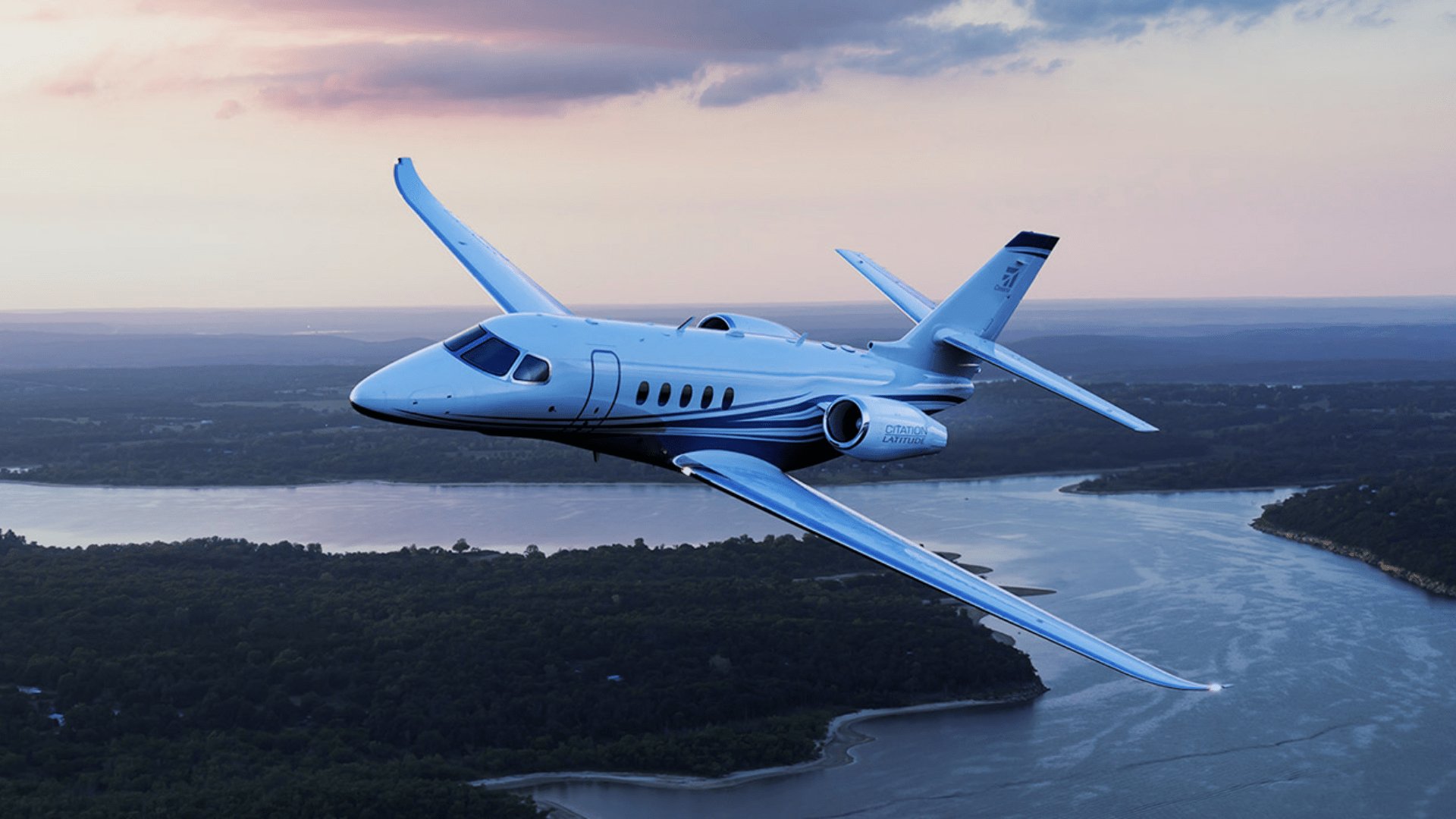
The Latitude is the midsize benchmark — full stand-up cabin, flat floor, and enough range to cover most US routes nonstop. The widest cabin in the midsize category and one of the most comfortable for groups of 6–8. A favourite in owned-fleet programs for its reliability and cabin quality.
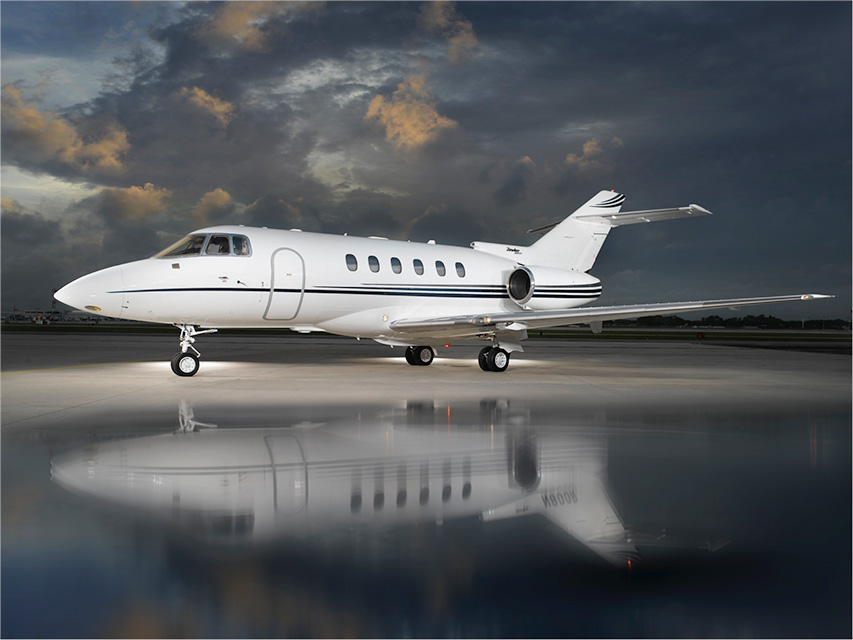
An older design but still widely used in charter and broker networks. The Hawker 800XP is comfortable and well-proven but showing its age compared to the Citation Latitude. Common in Sentient Jet's brokered network. If you're offered a Hawker 800XP, it's a solid aircraft — just not the newest option in the class.
Super midsize jets bridge the gap between midsize and large cabin. They're the minimum cabin class for truly comfortable transcontinental travel — coast-to-coast US nonstop with room to work, sleep, or hold a proper meeting. This is the entry point for serious business travel and the most popular cabin for corporate buyers.
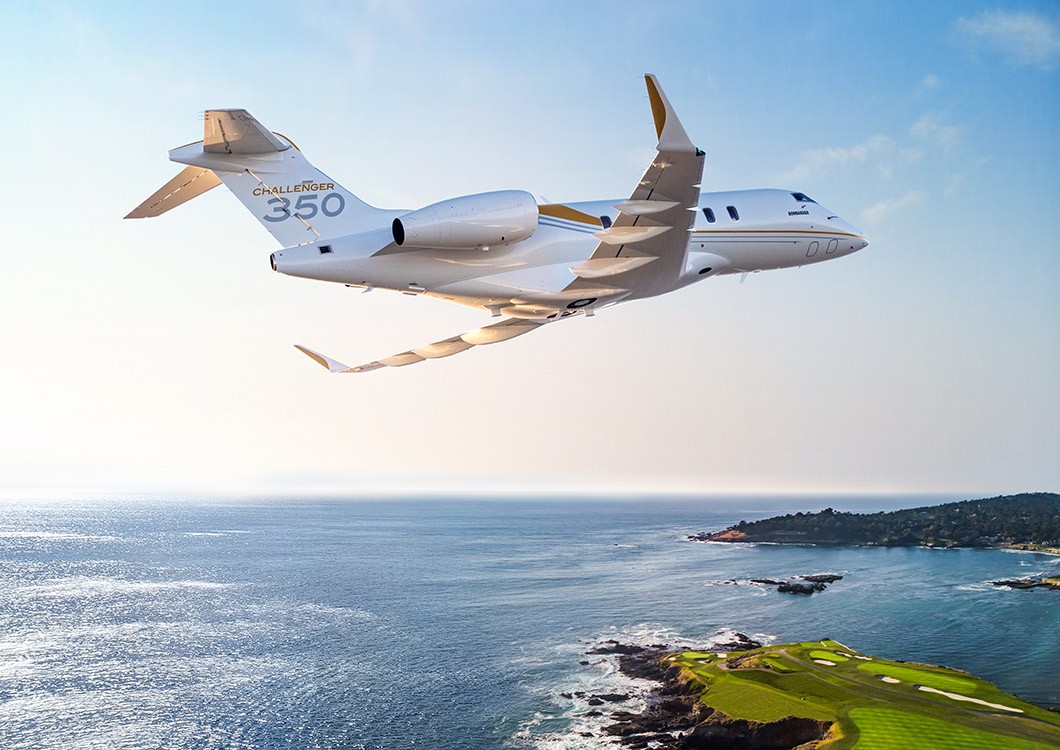
The dominant super-midsize jet. The Challenger 350 has the widest cabin in its class, outstanding range, and is the aircraft of choice for VistaJet's entire super-midsize fleet. When you book a super-midsize on VistaJet, this is what you get. Also available through Flexjet, Nicholas Air, and NetJets. The benchmark for the category.
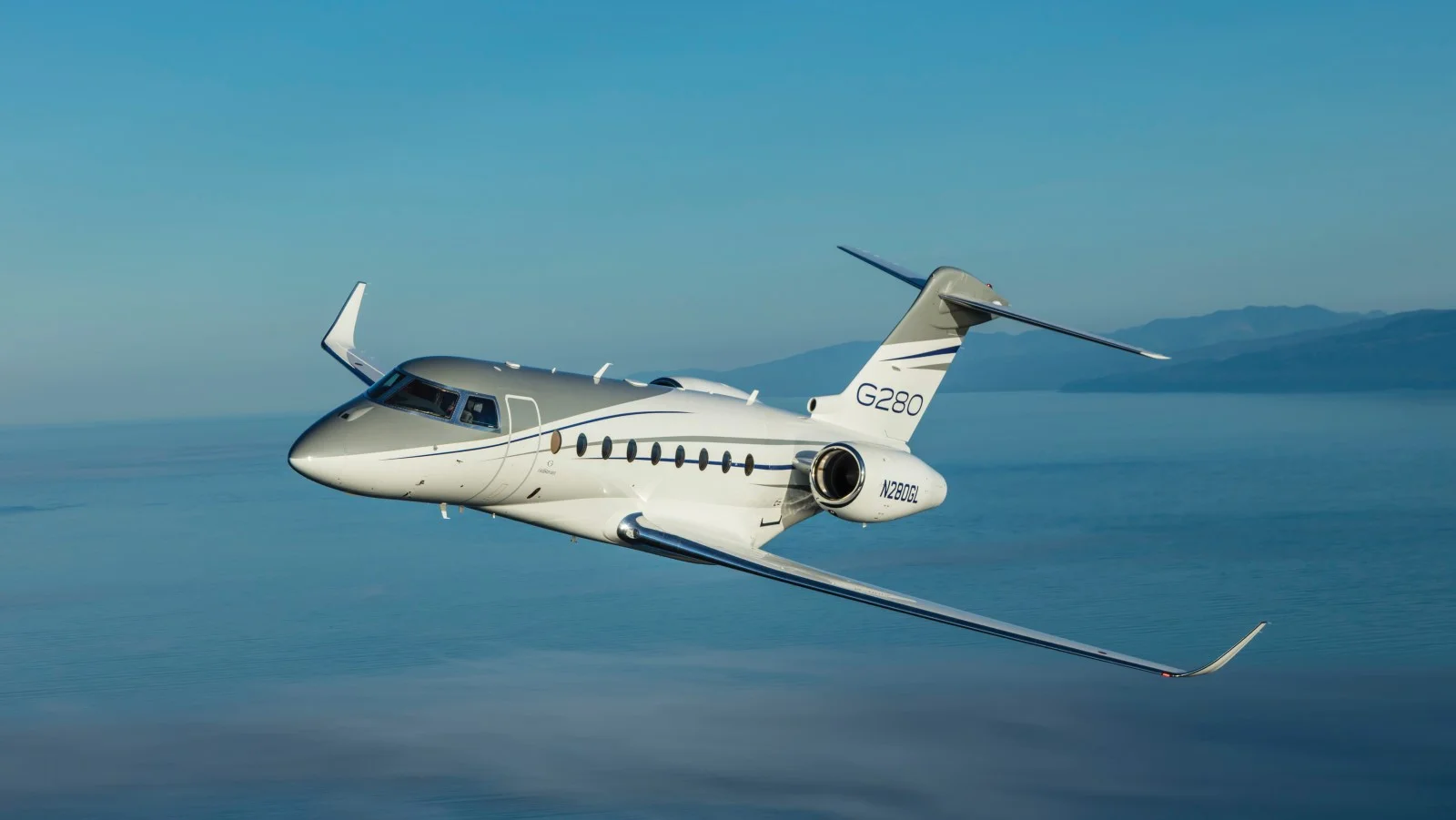
Gulfstream's super-midsize offering. Faster and longer-legged than the Challenger 350, with a slightly taller cabin. The G280 is particularly strong on transatlantic-adjacent routes — New York to London requires a stop, but it gets further than most super-midsizes before needing fuel.
Large cabin jets are where private aviation becomes genuinely different from commercial travel. Full stand-up cabins, club seating, dedicated work areas, full galleys, and beds on some aircraft. For transatlantic travel, groups of 8–14, or buyers who want a genuinely different experience, large cabin is the minimum viable option.
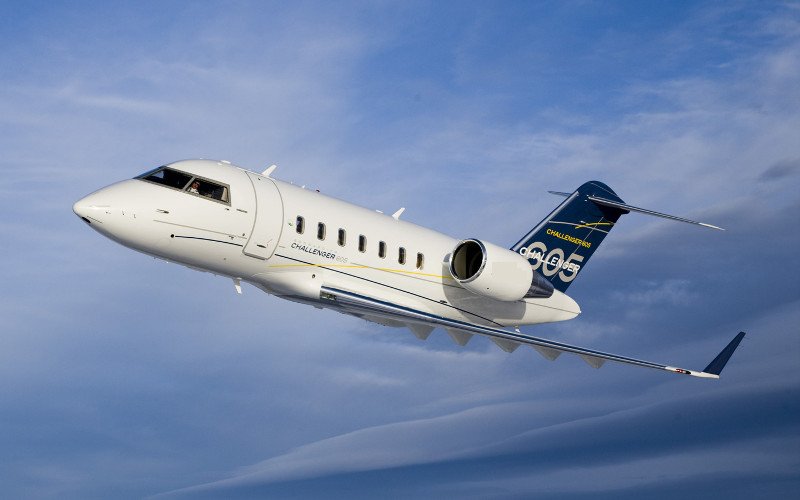
A wide-body large cabin jet that has defined business aviation for decades. The Challenger 605 seats up to 12 in genuine comfort with a full galley, stand-up cabin, and enough range for transatlantic travel with a fuel stop. Common in VistaJet and NetJets fleets as a large cabin workhorse.
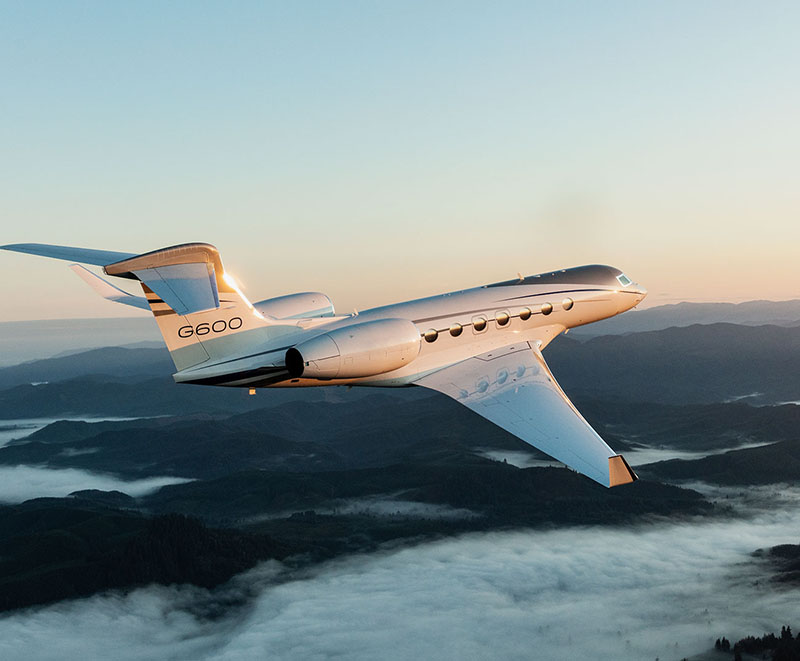
One of the finest large-cabin jets in production. The G600 combines ultra-long range with a three-zone cabin, panoramic oval windows, and the fastest cruise speed in the large-cabin category. Used by Nicholas Air as its flagship Steel Card aircraft and available through NetJets. Capable of New York to London nonstop.
Ultra-long range jets exist for one primary purpose: reaching anywhere in the world without a fuel stop. New York to Tokyo. London to Singapore. These aircraft cost more per hour than anything else in private aviation — but for the right route, they eliminate connections, stopovers, and the time cost of technical stops. If you're flying intercontinental regularly, this is the conversation to have.
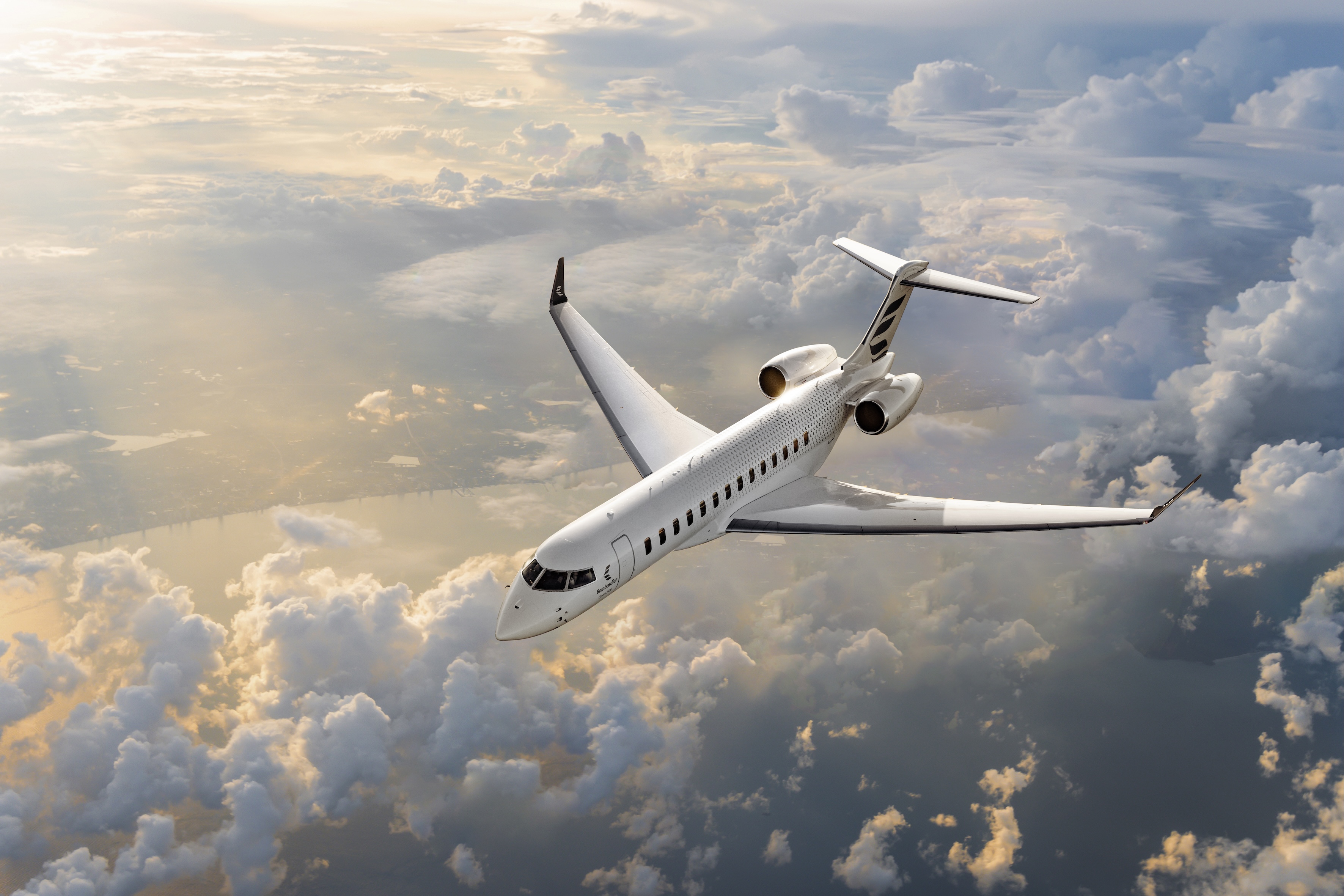
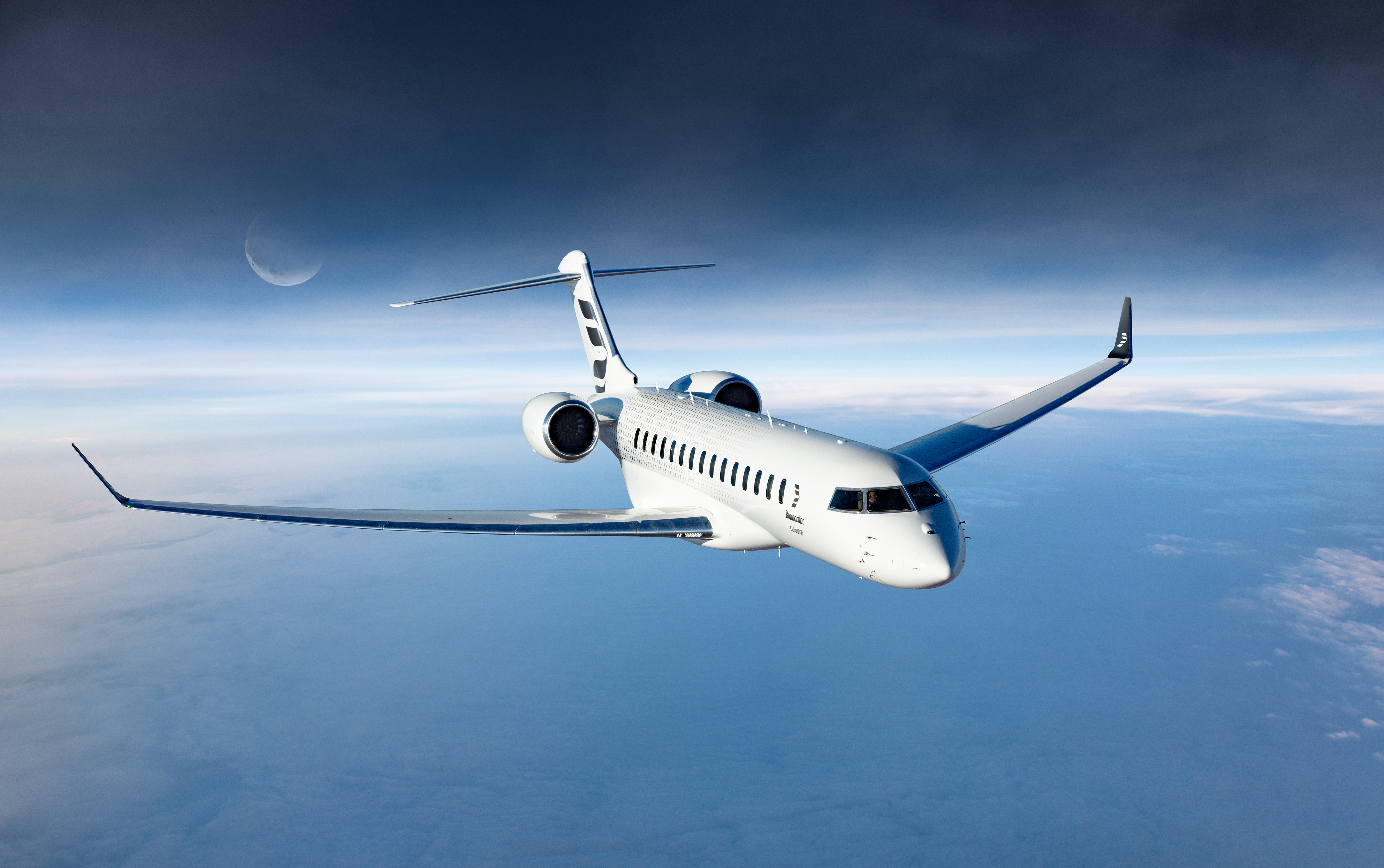
The flagship of Bombardier's Global family and the backbone of VistaJet's ultra-long-range fleet — currently being upgraded to Global 8000 specification. Four living spaces including a permanent master suite, full galley, and the longest range of any purpose-built business jet in serial production before the 8000. The aircraft of choice for heads of state and senior executives on intercontinental routes.
The fastest civil aircraft since Concorde. The Global 8000 extends the 7500's already exceptional range to 8,000nm — enough to fly New York to Singapore nonstop or London to Sydney with a single technical stop. VistaJet is converting its entire Global 7500 fleet to 8000 specification through December 2026, giving it the world's largest subscription fleet of this aircraft.
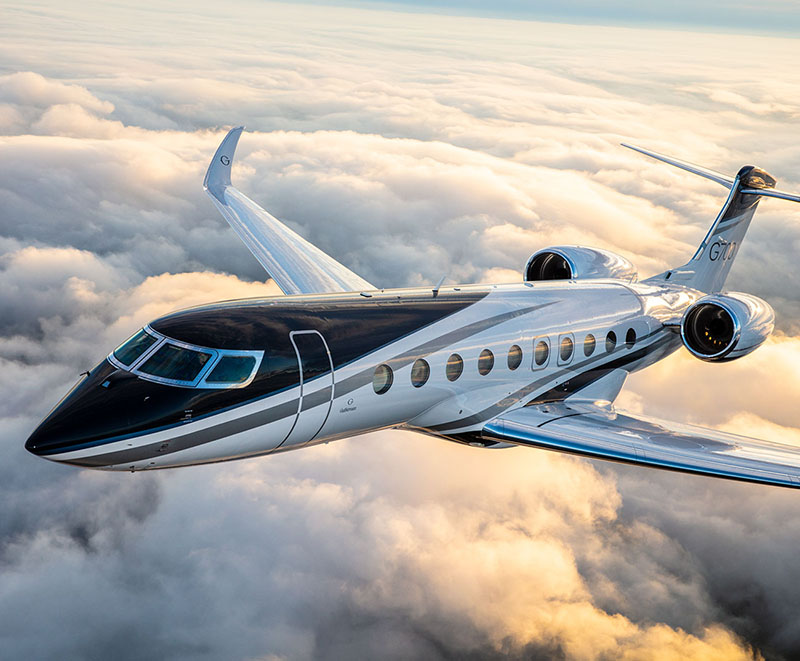
Gulfstream's answer to the Global 7500. The G700 has the widest cabin of any purpose-built business jet, five living areas, and a range that covers virtually any city pair on earth. Available through Flexjet's World Access program for ultra-long-range travel, and through NetJets. The primary competitor to the Global 7500/8000.
At $18,000–$25,000 per hour, a 14-hour New York to Singapore flight costs $252,000–$350,000 one way. For a group of 10, that's $25,000–$35,000 per person — comparable to the best commercial first class suites. The value case for ultra-long range private aviation is strongest when time is worth more than money, when security or privacy is essential, or when the group size makes commercial first class economically comparable.